Author name: digitalriddhisharma@gmail.com

DIGITAL RIDDHI IS A CERTIFIED DIGITAL MARKETER WHO PROVIDES ALL THE SERVICE AND GIVE YOU THE BEST RESULT

BLOG

Social Commerce & Live-Streaming: Merging Content and Commerce

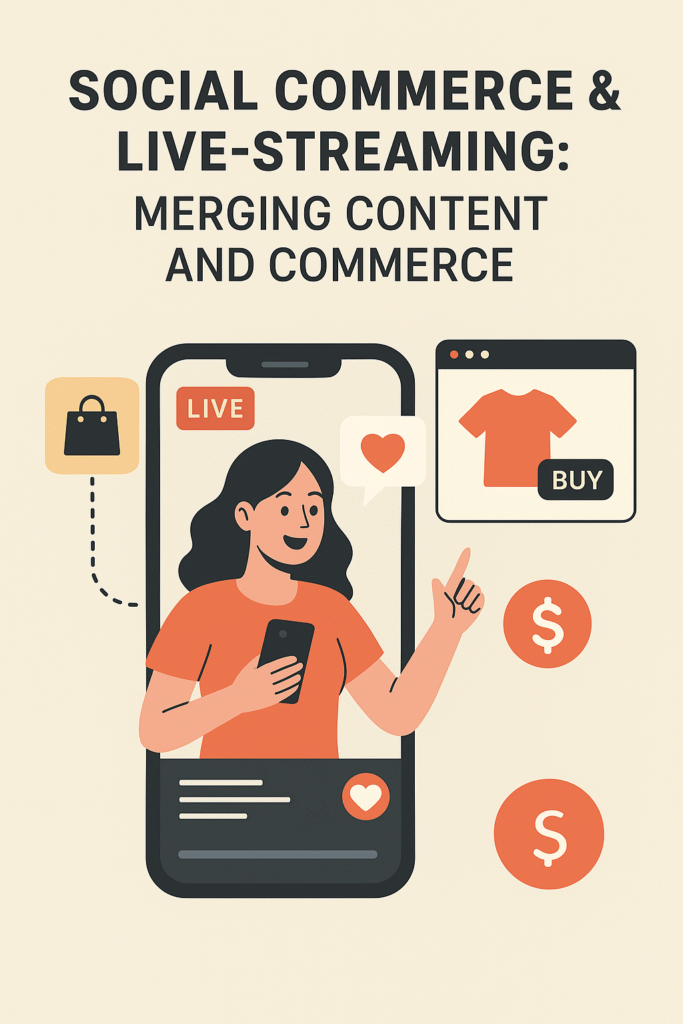
In the fast-changing world of digital marketing, one of the biggest trends today is social commerce — the combination of social media and online shopping. Platforms like Instagram, Facebook, TikTok, and YouTube are no longer just places to share photos or watch videos; they’ve become powerful shopping hubs. Add to that the rise of live-streaming, where influencers or brands promote products in real-time — and you have a trend that’s transforming how businesses sell and how consumers shop. This blog explains what social commerce and live-stream shopping mean, why they’re growing so fast, and how digital marketing service providers can use them to help businesses increase sales. What Is Social Commerce? Social commerce means selling products directly through social media platforms — without sending users to another website. For example, on Instagram, users can see a product in a post, tap on it, and buy it without ever leaving the app. Similarly, Facebook Shops and TikTok Shop let businesses set up their own mini-stores. This seamless shopping experience is convenient for customers — and a huge opportunity for brands. In short:👉 Social media + online shopping = Social commerce. The Rise of Live-Stream Shopping Now, combine this with live-streaming, and the results are even more powerful. Live-stream shopping is when brands or influencers go live on platforms like Instagram, YouTube, or TikTok to demonstrate, review, or showcase products in real time. Viewers can ask questions, see the products in use, and buy instantly through integrated links. This creates trust, interaction, and a sense of urgency — things that traditional e-commerce websites often lack. For example: Why Social Commerce Is Growing So Fast Here are some key reasons why social commerce and live-streaming are booming: How Digital Marketing Services Can Leverage This Trend If you run a digital marketing agency or service, social commerce opens many new opportunities. Here’s how you can help your clients succeed: 1. Set Up Social Shops Help clients set up and optimize their Facebook Shops, Instagram Shops, and TikTok Shops.Ensure: 2. Plan Live-Stream Campaigns Organize regular live-streaming sessions for your clients.For example: Use teasers, countdown posts, and reminder notifications to increase attendance. 3. Collaborate with Micro-Influencers Micro-influencers (those with smaller but highly engaged audiences) can be more effective than celebrities.They bring authenticity and trust.As a digital marketing service, build partnerships and connect clients with the right influencers. 4. Create Engaging Content Content is still king — but now it must be shoppable.You can help businesses create: 5. Use Analytics and Insights Measure results using platform insights.Track: Then, adjust the strategy — identify which content type or influencer performs best. Examples of Successful Social Commerce Tips for Brands Starting with Social Commerce The Future of Social Commerce Social commerce is not just a passing trend — it’s the future of online shopping.As more users prefer quick, social, and interactive experiences, businesses must adapt. For digital marketing services, this is a golden opportunity to offer: By helping brands merge content and commerce, agencies can drive better engagement, trust, and conversions. Final Thoughts The line between entertainment and shopping is fading fast. People no longer want to browse boring product pages — they want to watch, interact, and shop instantly. Social commerce and live-stream shopping make that possible. For businesses, it’s time to embrace this trend.For digital marketing services, it’s time to lead the way — by helping brands connect with audiences in real time, build trust, and turn views into sales. Would you like me to format this blog post for your website (with SEO title, meta description, and focus keywords)? That can make it ready for publishing immediately.
BLOG

Email Marketing

Email marketing is the art of sending helpful, interesting, or friendly emails to people who have chosen to hear from you. These emails could be: Unlike social media, where you fight for attention, email lets you speak directly to your audience. It’s like sending a digital letter to someone who’s already opened the door for you. Building a detailed email marketing strategy 1. List building and management An email marketing strategy is only as strong as its list. The foundation is to build a list of engaged subscribers who have explicitly given you permission to email them.  2. Segmentation and personalization To move beyond generic email blasts, divide your subscribers into smaller segments and tailor your messages to their specific needs and interests. This significantly boosts engagement and conversion rates.  Compliance with email marketing laws To maintain a good sender reputation and avoid legal issues, your email marketing practices must comply with relevant data protection and anti-spam laws like the CAN-SPAM Act in the U.S. and GDPR in Europe. 

BLOG

Social Media Marketing 

Social media marketing (SMM) is the strategic process of using social media platforms to connect with a target audience, build a brand, and drive business goals like increasing sales and website traffic. A successful SMM strategy involves a combination of content creation, community engagement, data analysis, and both organic and paid tactics An effective SMM strategy is built on several key pillars that work together to achieve marketing objectives.  1. Strategy and planning This is the foundational phase where you define your overall SMM roadmap.  3. Engagement and community building Social media is a two-way street that allows you to build stronger customer relationships and foster loyalty.  4.Advertising and paid promotion While organic efforts build a loyal following, paid advertising is a powerful way to accelerate growth and reach targeted audiences. 

BLOG

What is Digital Marketing?

DIGITALRIDDHI.CO.IN Digital marketing is a broad field with many channels that work together to attract and convert customers. Key components include:   Digital marketing is the promotion of products, services, or brands using the internet and digital technologies such as search engines, websites, social media, email, and mobile apps. It’s not just advertising—it’s creating relationships with your audience online. 1. Search Engine Optimization (SEO): Search Engine Optimization (SEO): The process of optimizing your website and content to rank higher in search engine results pages (SERPs), increasing organic (unpaid) traffic. SEO is the process of optimizing your website content and structure to rank higher in search engine results. It drives organic traffic by making your site more visible when people search for relevant keywords, helping you attract potential customers naturally. 2.Content Marketing: his involves creating valuable, relevant content such as blogs, videos, or infographics that educate or entertain your audience. Good content builds trust, encourages engagement, and positions your brand as an authority in your industry. Creating and distributing valuable, relevant, and consistent content to attract and retain an audience. This includes blog posts, videos, podcasts, and infographics. 3. Social Media Marketing: Driving traffic and building brand awareness by engaging with people on social media platforms like Facebook, Instagram, LinkedIn, and TikTok. Social media marketing is all about connecting with your audience on platforms like Instagram, LinkedIn, Facebook, and Twitter (X). It helps you build a loyal community, increase brand awareness, and engage directly with customers through posts, stories, and conversations 4. Email Marketing: A direct marketing channel that uses email to connect with potential and existing customers through newsletters, promotions, and automated sequences Email marketing remains one of the most personal ways to communicate with your audience. Sending newsletters, promotions, or personalized offers directly to inboxes helps nurture leads, boost customer loyalty, and drive repeat sales. 5. Pay-Per-Click Advertising (PPC): A model where you pay a fee each time a user clicks on your ad. Common platforms include Google Ads and social media ads. PPC allows you to place paid ads on search engines like Google or social media platforms. You only pay when someone clicks your ad, making it a targeted and efficient way to get immediate visibility and drive traffic to your site.

Scroll to Top